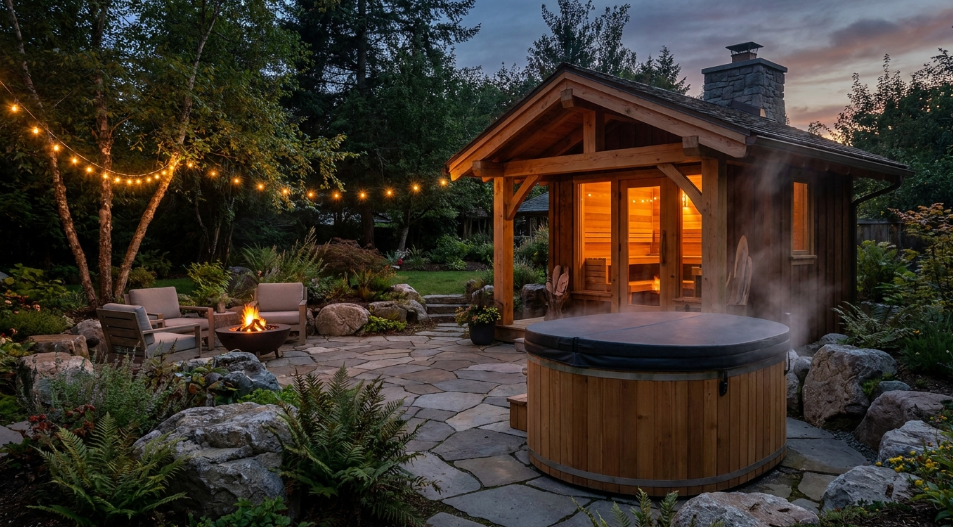
A properly maintained infrared sauna, wiped down after every session, deep-cleaned weekly, door cracked open between uses, and sat on with a towel rather than bare skin, should run 10 to 20 years with the only major expected replacement being the heating panels around year 8 to 12. Most damage that shortens a sauna’s life comes from trapped moisture and skipped basic habits, not from the equipment wearing out on its own.
What Should I Do After Every Single Session?
Wipe the bench, backrest, and floor with a plain damp cloth before you leave the cabin. Sweat left to dry on wood soaks in over repeated sessions and is the main cause of discoloration and lingering odor. Prop the door open a few inches afterward rather than closing it fully, letting residual heat and moisture escape instead of sitting trapped against the wood overnight. This takes under two minutes and is the single habit that prevents more long-term wear than anything else on this list.
What Does a Weekly Clean Actually Involve?
Once a week, go beyond the quick wipe-down with a mild, wood-safe cleaner, plain water with a small amount of gentle soap works fine, and a soft cloth. Avoid anything with bleach, ammonia, or strong solvents, which strip natural wood oils and can leave residue that off-gasses at high heat. Check the floor and corners for any buildup, since those areas trap moisture longest and are where mildew tends to start if the room does not fully dry between uses.
Do the Interior Wood Surfaces Need Sealing or Oil?
No, and this surprises a lot of new owners. Interior sauna wood is generally left unsealed and unfinished on purpose, since sealants and oils can off-gas or become sticky at typical sauna operating temperatures. Exterior wood is a different story, particularly on outdoor units exposed to sun and rain. A food-safe wood oil applied every 6 to 12 months keeps exterior staves from drying out and cracking, especially through a full season of weather changes.
How Do I Protect the Heating Panels Specifically?
Keep the required clearance around panels, generally 6 inches on the back and sides, so heat can dissipate properly instead of building up against the panel surface. Avoid draping towels or clothing directly over panels to dry, since blocking airflow around the element shortens its life and is a common but avoidable mistake. Quality carbon or ceramic panels typically last 8 to 12 years under normal use before output noticeably weakens; budget panels on lower-cost units can need replacement in 3 to 5 years, which is worth factoring into the price when comparing units.
What Small Habits Make the Biggest Long-Term Difference?
Sit on a towel rather than bare skin. It is the most commonly skipped habit and the single biggest reason benches discolor and pick up odor faster than they should. Keep a small fan or the door crack running for ten to fifteen minutes after each session to fully dry the interior. Check the power cord and outlet or breaker periodically for any signs of wear, especially on units that get moved or repositioned. None of this is complicated, it is closer to caring for a wood cutting board than a piece of electronics, and it is the difference between a cabin that looks new after five years and one that looks tired after one.
If you are comparing replacement parts or upgrading to a larger cabin down the line, it is worth taking time to explore the range that specialty sellers like SweatDecks carry alongside regional dealers, since panel specs and wood options vary enough between brands that matching replacement parts to your existing unit matters more than picking whatever is cheapest.
What About Shared Use From Kids or Guests?
A sauna used by more than one household member needs a slightly firmer routine than a solo unit, mainly because inconsistent habits from multiple users are what let maintenance slip. Keep a small stack of towels next to the cabin so there is never an excuse to sit directly on bare wood, and set a simple house rule that the door gets propped open after the last session of the day rather than assuming someone else will do it. For households with kids old enough to use the sauna under supervision, the same wipe-down habit applies, and it is worth teaching it early, since the wear that shortens a bench’s life comes from years of small skipped steps, not from any single session.
Guests are the other common source of wear, since they do not know a specific unit’s habits. A short note near the door, wipe down after use, towel on the bench, takes a few seconds to read and prevents most of the avoidable damage that comes from well-meaning but unfamiliar visitors.
Does Regular Use Actually Pay Off Health-Wise?
Consistent use is where the research points, not occasional or heavy one-off sessions. A Mayo Clinic Proceedings review of long-running Finnish cohort studies found sauna sessions used several times a week associated with meaningfully lower cardiovascular and all-cause mortality risk over years of follow-up, and a systematic review of dry sauna bathing found similar associations with blood pressure and vascular health markers. That is association from observational data, not proof that sauna use alone causes the effect, but it lines up with the practical case for maintaining a unit well: a sauna that stays clean, comfortable, and reliable is the one people actually keep using for years instead of letting it sit unused in a corner.
Frequently Asked Questions
How often should I wipe down an infrared sauna after use?
After every session, to remove sweat before it soaks into the wood. A deeper clean with a mild, wood-safe cleaner once a week keeps residue from building up.
How long do infrared sauna heating panels typically last?
Quality panels generally last 8 to 12 years before output weakens. Budget panels on lower-cost imports can need replacement in 3 to 5 years.
Should I leave an infrared sauna door open or closed between uses?
Leave it slightly ajar so residual moisture evaporates instead of sitting trapped inside, which helps prevent mold and mildew over time.
Does an infrared sauna need to be resealed or re-oiled?
Interior wood usually does not need sealing. Exterior wood on outdoor units benefits from a food-safe wood oil every 6 to 12 months.
What is the most common maintenance mistake owners make?
Skipping a towel. Sitting on bare wood repeatedly is the biggest reason benches discolor and absorb odor faster than they should.
References
- “Clinical Effects of Regular Dry Sauna Bathing: A Systematic Review.” Evidence-Based Complementary and Alternative Medicine, 2018. https://pubmed.ncbi.nlm.nih.gov/29849692/
- “Effects of heat and cold on health, with special reference to Finnish sauna bathing.” American Journal of Physiology – Regulatory, Integrative and Comparative Physiology, 2018. https://pubmed.ncbi.nlm.nih.gov/29351426/
- Laukkanen, T. et al. “Cardiovascular and Other Health Benefits of Sauna Bathing: A Review of the Evidence.” Mayo Clinic Proceedings, 2018. https://pubmed.ncbi.nlm.nih.gov/30077204/
