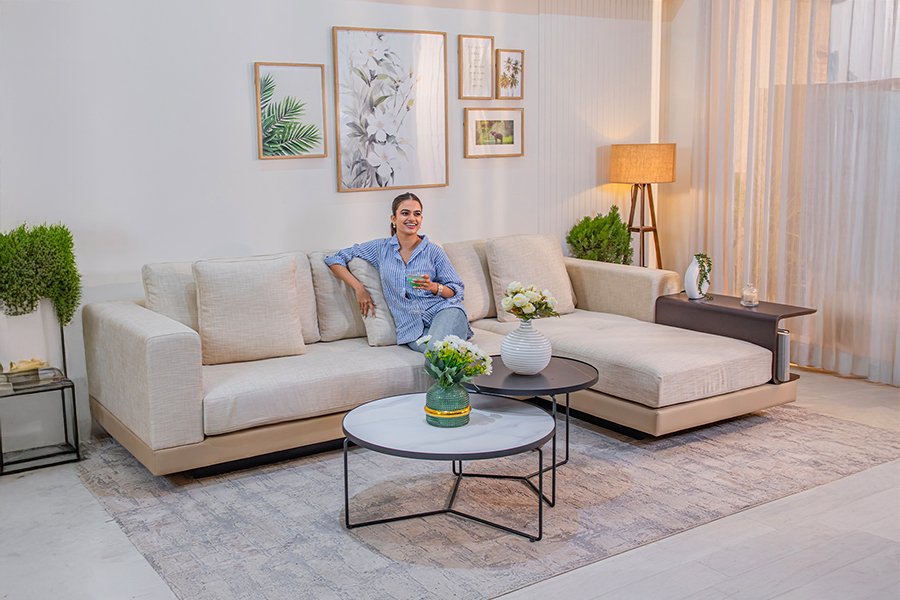
Functional design starts with deliberate space planning. The approach maps traffic flow, defines adaptable zones, and preserves clear sightlines for daily tasks. Modular storage, labeled systems, and movable partitions support reconfiguration as needs shift. Energy-conscious details—airtight envelopes, programmable thermostats, efficient lighting—tie comfort to efficiency. Smart devices coordinate safety and convenience without crowding space. The result is a home that breathes with use, inviting a closer look at what comes next.
How Functional Design Starts With Space Planning
Effective space planning is the backbone of functional design, guiding how traffic flows, zones activities, and utilities are positioned for everyday use.
In this approach, space planning informs layout choices, ensuring accessible movement and coherent relationships between rooms.
This mindset centers user freedom, delivering efficient flows, clear sightlines, and adaptable zones that support daily tasks without sacrificing aesthetic integrity or comfort.
Smart Storage Ideas That Maximize Everyday Usability
Smart storage ideas transform clutter into clear pathways by placing intent behind every cabinet, shelf, and compartment. In practice, storage optimization emerges through careful zoning, accessible reach, and durable materials. Modular shelving adapts to evolving needs, enabling flexible configurations without overstuffing. Thoughtful labeling and concealed counts reduce decision fatigue, while streamlined transitions between spaces preserve freedom to move and use rooms with confidence.
Flexible Layouts for Changing Needs
Flexible layouts adapt as life changes, turning walls and spaces into responsive tools rather than fixed constraints. In practice, flexible spaces invite modular furniture, sliding partitions, and open sightlines that support varied needs without permanent renovations. This approach champions adaptable layouts, encouraging homeowners to reconfigure rooms for work, play, or rest while preserving flow, light, and accessibility.
Energy Efficiency and Smart Tech for Daily Comfort
Energy efficiency and smart tech empower daily comfort by reducing waste and simplifying routines. Homes leverage airtight envelopes, programmable thermostats, and efficient lighting to cut costs while maintaining mood and usability. Smart tech coordinates devices, enhancing safety and convenience without intrusion. The approach respects autonomy, enabling flexible living patterns, quick adjustments, and sustained energy stewardship through thoughtful design and purposeful technology.
Frequently Asked Questions
How Do I Budget for a Complete Home Renovation?
A disciplined planner would start by establishing budget benchmarks, then map the project scope against cost tiers. It considers material lifecycle, contingency funds, and phased purchases, enabling a flexible path while preserving creative freedom and practical procurement discipline.
What Permits Are Needed for Remodeling Projects?
A permits overview is essential; local authorities determine requirements, often including structural, electrical, and plumbing changes. The piece emphasizes contractor licensing, reminding readers to verify credentials, pull permits, and coordinate inspections for a safe, compliant, freedom-enhancing remodeling process.
Which Materials Are Most Durable in High-Traffic Areas?
A surprising 60% of durable materials outperform expectations in busy hallways. Durable materials stand up to heavy traffic flooring, resisting scratches and wear. The analysis favors concrete, porcelain, vinyl plank, and epoxy for resilient, freedom-loving high-traffic interiors.
See also: The Next Generation of Blockchain Technology
How Long Does a Typical Renovation Timeline Take?
Renovation timelines typically span several weeks to a few months, varying by scope. The timeline includes milestones and contractor coordination, with buffers for permitting and material delays. A detached observer notes progress while facilitating informed decisions and steady momentum.
Can Renovations Increase Home Resale Value Quickly?
Renovations readily raise resale value, yes, albeit quickly with careful planning. This renovation ROI depends on scope, market, and finishes; strategic stamps of quality boost appeal, while costs must balance benefits for prudent, freedom-seeking homeowners.
Conclusion
Functional design, at its core, solves the illusion of chaos with a blueprint that never blinks. When spaces cooperate—traffic flows like a well-rehearsed choir, storage hides in plain sight, and layouts flex as life shifts—the home becomes a reliable partner, not a puzzle. Exaggeration here signals clarity: every task unburdens itself, every habit finds a stage, and energy savings whisper, “I’ve always been here.” In simplicity, complexity finally reveals its true function: effortless daily mastery.
