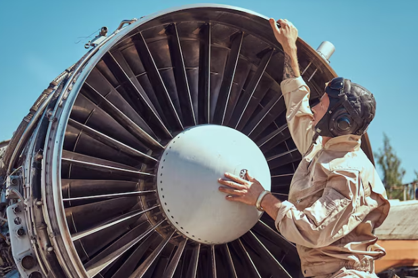
Gas turbines operate under extreme temperatures, rotational speeds, and mechanical loads that gradually affect the condition of critical rotating components. Maintaining these components is essential for improving reliability, extending service life, and minimizing costly outages. One of the most effective maintenance processes for protecting turbine rotors and disks is turbine blend polish peen services.
This specialized maintenance process combines blending, polishing, and peening techniques to restore damaged surfaces, improve fatigue resistance, and maintain component integrity. When performed by experienced technicians, these procedures help extend the operational life of turbine components while supporting safe and efficient power generation.
Facilities that include turbine blend polish peen services as part of their preventive maintenance strategy are better positioned to reduce unexpected failures and optimize turbine performance throughout the equipment lifecycle.
If you are looking for professional Turbine Blend Polish Peen Services, Advanced Turbine Support provides specialized maintenance solutions for gas and steam turbines using proven repair techniques and experienced field service professionals.
What Are Turbine Blend Polish Peen Services?
Turbine blend polish peen services are a group of precision maintenance procedures performed to repair minor surface damage, improve material strength, and restore turbine components to acceptable operating conditions.
The process generally includes blending damaged areas to remove stress concentrations, polishing repaired surfaces to improve finish quality, and peening to strengthen the material against fatigue and crack formation.
Together, these maintenance techniques improve component durability while helping maintain safe turbine operation.
Why Blend Polish Peen Services Are Important
Gas turbine rotors, disks, and wheels are subjected to continuous thermal cycling and mechanical loading during operation. Even small surface imperfections can develop into larger defects if they are not addressed during scheduled maintenance.
Professional turbine blend polish peen services help eliminate minor defects before they become major repair issues.
Improve Component Reliability
Repairing surface damage reduces stress concentrations that may contribute to fatigue cracking during turbine operation.
Extend Equipment Life
Restoring damaged surfaces allows components to remain in service longer while maintaining safe operating conditions.
Reduce Outage Costs
Preventive maintenance performed during planned outages helps minimize expensive emergency repairs and unexpected shutdowns.
Understanding the Blend Process
Blending is the first stage of many repair procedures.
During blending, technicians carefully remove small imperfections, scratches, corrosion, or minor foreign object damage from turbine components. The goal is to create a smooth transition that eliminates sharp edges where cracks may begin.
Proper blending helps restore structural integrity while preserving the component within approved engineering limits.
Because turbine components operate under demanding conditions, blending requires precision, experience, and strict adherence to repair procedures.
Importance of Turbine Polishing
Following blending, technicians perform polishing to improve the surface finish.
Polish turbine maintenance helps remove fine grinding marks left after blending while creating a smoother surface that reduces stress concentrations.
A properly polished surface supports improved fatigue resistance and prepares the component for the next maintenance step when required.
Polishing also improves inspection visibility, allowing technicians to identify any remaining defects before the turbine returns to service.
Facilities requiring additional repair support may also benefit from professional Turbine Blade Blending Services for restoring damaged blades and improving overall turbine performance.
What Is Peening?
Peening is a controlled maintenance process used to improve the mechanical properties of turbine components.
During peen turbine maintenance, controlled mechanical impacts introduce compressive stress into the material surface. This process increases resistance to fatigue cracking while improving long term durability.
Peening is commonly performed after blending and polishing to maximize the overall effectiveness of the repair.
It is particularly valuable for rotating components that experience repeated stress cycles throughout normal operation.
Flapper Peening for Turbine Maintenance
One specialized repair method is flapper peening turbine maintenance, which uses specialized equipment to treat repaired surfaces with controlled precision.
This process helps restore compressive stress to blended repair areas while maintaining smooth surface transitions.
Proper flapper peening contributes to improved fatigue resistance without introducing excessive material removal.
Flapper Peening for Turbine Disks
Flapper peening for turbine disks helps strengthen repaired disk surfaces that experience high rotational loads during operation.
The process supports longer component life by reducing the likelihood of fatigue crack initiation.
Flapper Peening for Turbine Wheels
Flapper peening for turbine wheels follows similar principles while focusing on wheel sections exposed to continuous mechanical loading.
Proper peening improves durability while supporting reliable turbine operation between maintenance intervals.
Turbine BPP Maintenance Service
A complete turbine BPP maintenance service combines blending, polishing, inspection, and peening into one coordinated maintenance program.
Rather than treating individual defects separately, technicians evaluate the overall condition of the component before selecting the most appropriate repair sequence.
Comprehensive BPP services improve maintenance efficiency while ensuring repairs meet engineering specifications.
See also: How to Find Cheap Flights from USA to India and Save Big on Airfare
F Class Turbine Rotor Maintenance
Modern F class turbine rotor maintenance requires highly specialized repair techniques because these turbines operate at extremely high temperatures and rotational speeds.
Blend polish peen procedures play an important role in maintaining rotor integrity by repairing minor damage before it progresses into larger structural concerns.
Routine maintenance supports reliable operation while helping facilities maximize equipment availability.
When Blend Polish Peen Services Are Recommended
Professional turbine blend polish peen services are commonly performed during scheduled maintenance outages and major inspections.
Typical situations include:
Scheduled Outages
Routine inspections often identify surface imperfections suitable for blending and polishing before they develop further.
Foreign Object Damage
Minor impact damage may be repaired through approved blending procedures followed by polishing and peening.
Surface Wear
Normal operating conditions gradually create wear patterns that may require corrective maintenance during planned outages.
Preventive Maintenance Programs
Facilities often include blend polish peen procedures within long term maintenance plans to improve equipment reliability and reduce lifecycle costs.
Choosing an Experienced Maintenance Partner
Successful turbine repairs require experienced technicians, specialized equipment, and strict compliance with manufacturer guidelines.
Qualified maintenance providers understand component design limitations, repair tolerances, inspection procedures, and quality control requirements.
An experienced service provider can accurately assess component condition, recommend appropriate repairs, and complete maintenance efficiently during planned outages.
Organizations seeking complete turbine maintenance solutions may also benefit from professional Hot Gas Path Inspection Services to evaluate additional critical turbine components during scheduled maintenance.
Conclusion
Professional turbine blend polish peen services play a critical role in maintaining the reliability, safety, and long term performance of gas turbines. Combining precision blending, polishing, and peening techniques helps eliminate minor surface defects, improve fatigue resistance, and extend component service life.
Regular turbine BPP maintenance service, peen turbine maintenance, polish turbine maintenance, F class turbine rotor maintenance, flapper peening turbine maintenance, flapper peening for turbine disks, and flapper peening for turbine wheels all contribute to stronger, more reliable rotating components and improved turbine performance.
By incorporating these specialized maintenance procedures into a preventive maintenance program, facilities can reduce unplanned downtime, optimize operational efficiency, and maximize the lifespan of critical turbine equipment.
