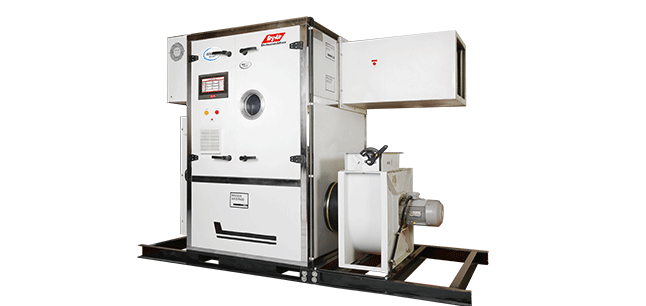
Humidity control plays a vital role in maintaining product quality, equipment reliability, and operational efficiency across numerous industries. Excess moisture in manufacturing environments can lead to product defects, corrosion, microbial growth, condensation, equipment damage, and increased production costs. Industries such as pharmaceuticals, food processing, electronics, lithium battery manufacturing, automotive production, warehousing, chemicals, and clean room facilities rely on precise humidity control to maintain consistent operations. Choosing experienced dehumidifier manufacturers in India is an important decision because the performance of a dehumidification system directly affects production quality and long term operating efficiency. A reliable manufacturer not only provides advanced equipment but also offers engineering expertise, customized solutions, technical support, and dependable after sales service. Understanding what differentiates industrial dehumidification manufacturers helps businesses invest in systems that deliver reliable moisture control while supporting long term operational goals.
Why Is Industrial Dehumidification So Important?
Humidity influences nearly every aspect of industrial production. Excess moisture can affect raw materials, finished products, machinery, packaging, and indoor environmental conditions. When humidity levels remain uncontrolled, businesses may experience reduced product quality, production delays, equipment failures, and unnecessary financial losses.
Many manufacturing industries process materials that absorb moisture easily. Paper products, pharmaceutical ingredients, electronic components, powders, chemicals, food products, and precision engineered materials often require carefully controlled environmental conditions throughout manufacturing and storage. Stable humidity helps preserve material properties while supporting consistent production quality.
Industrial facilities also depend on humidity control to protect valuable equipment. Moisture can contribute to corrosion, electrical failures, and condensation inside production machinery or control systems. Effective dehumidification reduces these risks while extending equipment life and minimizing maintenance requirements.
Industries That Depend on Humidity Control
Numerous industries require reliable moisture control solutions, including pharmaceutical manufacturing, food processing, lithium battery production, electronics manufacturing, seed storage, cold storage facilities, defense applications, automotive manufacturing, chemical processing, water treatment plants, and clean rooms. Each application requires carefully designed humidity control systems that meet its specific environmental requirements.
What Should Businesses Look for in a Dehumidifier Manufacturer?
Selecting a dehumidifier manufacturer involves much more than comparing equipment specifications. Businesses should evaluate the manufacturer’s engineering capabilities, industry experience, product reliability, customization options, technical expertise, and service support. Industrial environments often require specialized solutions that cannot be addressed with standard equipment alone.
Experience within multiple industries is another important consideration. Manufacturers who have successfully delivered humidity control systems across diverse industrial sectors develop valuable knowledge regarding environmental challenges, operational requirements, and regulatory expectations. This experience helps ensure equipment recommendations align with each customer’s specific production environment.
Technical support throughout the project lifecycle also contributes significantly to successful system performance. Professional manufacturers assist with system design, installation guidance, commissioning, maintenance planning, and ongoing operational support. These services help maximize equipment efficiency while minimizing downtime.
Engineering Expertise Creates Better Solutions
Industrial humidity control requires detailed environmental analysis before equipment selection begins. Experienced manufacturers evaluate airflow requirements, moisture loads, temperature conditions, production processes, and facility layouts before recommending appropriate systems. Customized engineering ensures each solution is designed to deliver reliable long term performance rather than simply meeting basic capacity requirements.
Why Are Industrial Dehumidifiers Different From Standard Systems?
Residential and small commercial dehumidifiers are designed primarily for comfort applications, while industrial systems operate continuously under demanding manufacturing conditions. Industrial dehumidification equipment must deliver consistent moisture control across large production areas while maintaining precise environmental conditions required by specialized manufacturing processes.
Advanced Dehumidifier India solutions frequently utilize desiccant technology capable of achieving very low humidity levels across a broad range of operating temperatures. These systems are engineered for continuous operation, higher airflow capacities, improved energy efficiency, and seamless integration with industrial HVAC infrastructure.
Industrial dehumidifiers may also include customized features such as automated control systems, corrosion resistant construction, advanced filtration, remote monitoring capabilities, and integration with facility management systems. These capabilities allow organizations to maintain stable environmental conditions while improving operational efficiency and reducing maintenance requirements.
Desiccant Technology Supports Reliable Performance
Desiccant dehumidification systems remove moisture effectively even in low temperature environments where refrigeration based technologies may become less efficient. This flexibility makes them well suited for demanding industrial applications requiring precise humidity control throughout changing production conditions and seasonal climate variations.
See also: How to Find Cheap Flights from USA to India and Save Big on Airfare
How Does the Right Dehumidification System Improve Business Performance?
Proper humidity control contributes directly to manufacturing quality, equipment protection, product consistency, and operational efficiency. Stable environmental conditions help reduce product rejection rates by minimizing moisture related defects during production and packaging. Manufacturers benefit from improved quality assurance while reducing material waste and unnecessary production interruptions.
Inventory protection is another significant advantage. Warehouses storing moisture sensitive materials require controlled humidity to preserve product integrity during storage and distribution. Effective dehumidification helps maintain consistent product quality while reducing losses associated with environmental exposure.
Energy efficiency also plays an increasingly important role in industrial operations. Modern dehumidification systems are designed to optimize moisture removal while minimizing energy consumption. Efficient equipment contributes to lower operating costs throughout the system’s lifecycle without compromising environmental control.
Long Term Reliability Supports Operational Continuity
Industrial facilities often operate continuously with limited opportunities for unexpected equipment downtime. Reliable dehumidification systems reduce maintenance requirements while supporting uninterrupted production schedules. Durable construction, quality engineering, and dependable technical support contribute to long term operational stability.
Why Should Businesses Partner With an Experienced Manufacturer?
Humidity control requirements continue evolving as industries adopt more advanced manufacturing technologies and stricter quality standards. Working with an experienced manufacturer provides access to ongoing engineering innovation, technical expertise, and customized solutions capable of supporting changing production needs.
Established manufacturers invest extensively in research, product development, quality assurance, and customer support. Their experience across multiple industries enables them to recommend solutions based on proven performance rather than generic equipment specifications. Businesses benefit from systems that are carefully engineered to address their specific operational challenges.
Long term technical support also provides substantial value after installation. Preventive maintenance guidance, operational optimization, spare parts availability, and responsive technical assistance help organizations maximize equipment lifespan while maintaining consistent humidity control throughout years of operation.
Comprehensive Support Extends Beyond Equipment Supply
Successful industrial dehumidification projects involve much more than product installation. Professional manufacturers assist with environmental assessments, engineering consultation, commissioning, performance optimization, operator training, and long term service support. This comprehensive approach helps businesses achieve reliable humidity control while protecting their investment over time.
Conclusion
Selecting the right industrial dehumidifier manufacturer is a strategic decision that influences product quality, equipment reliability, operational efficiency, and long term production performance. Businesses should evaluate manufacturers based on engineering expertise, customization capabilities, industry experience, technical support, and commitment to delivering reliable humidity control solutions. Investing in advanced industrial dehumidification technology helps organizations maintain consistent environmental conditions while reducing operational risks and supporting sustainable business growth.
If your organization is looking for advanced industrial humidity control solutions, Bry Air offers engineered dehumidification systems backed by decades of global experience, innovative technology, and comprehensive technical support. To discuss your application requirements or speak with an expert, visit the Contact Us page and connect with the Bry Air team.
